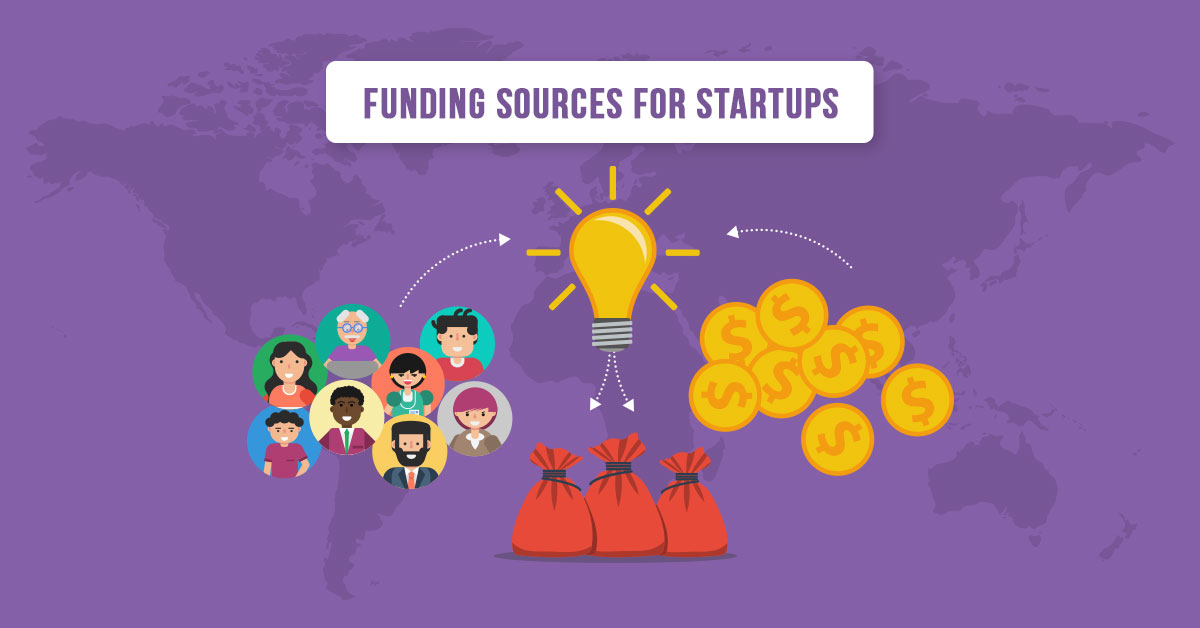
The Texas startup ecosystem is currently experiencing a significant boom, with venture investment reaching $2.9 billion in Q1 2025 alone. The landscape has matured beyond just “Austin tech,” now comprising distinct hubs in Dallas (fintech/B2B) and Houston (energy/healthcare) with specialized funding sources for each.
The following comprehensive guide details the best funding options for startups in Texas as of late 2025.
Executive Summary: The Texas Funding Landscape in 2025
- Trend: Deal counts are stabilizing, but check sizes are growing. “Mega-rounds” are driving volume, particularly in defense tech, robotics, and AI (e.g., Saronic’s $600M round, Apptronik’s raise).
- Key Shift: The Texas University Fund (TUF), a new $3.9 billion endowment approved by voters, is now active, injecting massive capital into research-heavy startups at universities like UH and Texas Tech.
- Hot Sectors: Defense/Dual-use technology, Biotechnology (especially “de-extinction” and genomics), B2B SaaS, and Energy Transition.
1. Top Venture Capital Firms (VCs)
Texas VCs have become more specialized. You should target firms based on your location and industry focus.
Austin (The Tech Hub)
- LiveOak Venture Partners: The “first call” for many Texas early-stage founders. They invest $2M–$15M in early-stage tech and have been instrumental in recent successes like funding Setpoint and Eventus.
- S3 Ventures: The largest Texas-focused VC with over $900M under management. They write larger checks (Series A/B) for business technology, digital experiences, and healthcare.
- ATX Venture Partners: Focuses heavily on B2B software, APIs, and “freight-tech.” They typically lead Seed to Series A rounds ($250k–$5M).
- Next Coast Ventures: Built by entrepreneurs for entrepreneurs, focusing on “Next Coast” markets (tech hubs outside SF/NY). Good for consumer and B2B software.
- Silverton Partners: The state’s most active early-stage investor for decades, often leading Seed rounds for software and consumer startups.
Dallas (Fintech & Enterprise)
- Sentiero Ventures: innovative firm focusing on AI-enabled SaaS, often looking at Seed stage companies.
- Green Park & Golf Ventures: A key player in medical/healthcare and deeply involved in the Dallas ecosystem.
Houston (Energy, Deep Tech, & Health)
- Mercury Fund: One of the few firms that actively invests in “Middle America” software and science-based startups.
- Donovan Ventures: The go-to for energy transition and hard-tech startups, offering checks from $10M–$50M for capital-intensive projects.
2. Angel Investor Networks (The “First Checks”)
Texas has some of the most organized and active angel networks in the country. These are often the best starting point for pre-seed funding ($50k–$500k).
| Network Name | Location | Focus / Notes |
|---|---|---|
| Central Texas Angel Network (CTAN) | Austin | consistently ranked among the most active angel groups in the nation. They cover all sectors but skew toward tech and CPG. |
| Houston Angel Network (HAN) | Houston | The largest and most active group in Texas. Strong preference for energy, hard science, and life sciences. |
| Cowtown Angels | Fort Worth | Associated with TechFW; excellent for startups in the Fort Worth area looking for local, high-net-worth backers. |
| Health Wildcatters (Angels) | Dallas | A healthcare-specific network attached to their accelerator. Critical for medtech/biotech founders. |
| Golden Seeds | State-wide | Focused exclusively on women-led companies. They have active chapters in Dallas and Houston. |
| Baylor Angel Network | Waco/State | An influential alumni network that invests in startups founded by Baylor grads or strong Texas companies. |
3. Top Accelerators & Incubators
These programs provide capital (usually $20k–$100k) and mentorship in exchange for small equity stakes (6–10%).
The “Big Three”
- Capital Factory (Austin/Statewide): The center of gravity for Texas tech. It functions as a co-working space, accelerator, and venture fund. If you are new to Texas, this is your first stop for networking. They have a massive mentor network and often introduce founders to VCs.
- MassChallenge Texas (Austin/Houston): A non-equity accelerator (they don’t take stock). It is highly competitive but offers cash prizes and excellent connections to corporate partners.
- Techstars (Austin/North Texas): The local branch of the global powerhouse. Highly prestigious, providing $120k in funding and a fast track to Series A investors.
Specialized Programs
- Health Wildcatters (Dallas): Ranked among the top healthcare accelerators globally. Essential for digital health and medical device startups.
- SKU (Austin): One of the nation’s premier accelerators for CPG (Consumer Packaged Goods) brands. If you are selling a physical product, go here.
- DivInc: Focused on diversity and inclusion, supporting women and founders of color. Excellent for underrepresented entrepreneurs.
- Ion District (Houston): A massive innovation hub (supported by Rice University) that houses various accelerator programs for energy and aerospace.
4. Government Grants & State Funding
Note: The “Texas Emerging Technology Fund (ETF)” was terminated in 2015. Do not apply for it.
- Texas University Fund (TUF): Activated in 2024/2025, this $3.9B endowment supports research at the University of Houston, Texas Tech, Texas State, and UNT. While not a direct startup grant, it funds university spinouts and partnership research.
- Texas Enterprise Fund (TEF): This is a “deal-closing” fund used by the Governor’s office to attract companies creating significant jobs. It is generally for later-stage expansion, not early-stage startups.
- StartHER Grant: Offered by the Center for Women Entrepreneurs at Texas Woman’s University. Provides $5,000 grants to women-owned businesses (rolling deadlines).
- Product Development & Small Business Incubator Fund (PDSBI): Offers asset-backed loans for product development and production in Texas.
Strategic Recommendation
If you are launching a tech startup in 2025, your roadmap should be:
- Pre-Seed: Apply to Capital Factory or MassChallenge to get “plugged in.”
- Seed: Pitch to CTAN (if Austin-based) or HAN (if Houston-based) for your first $500k.
- Series A: Target LiveOak or S3 Ventures once you have $1M+ in ARR.
- Deep Tech: If you are in robotics or defense, leverage the proximity to the Army Futures Command in Austin and look at firms like Saronic’s investors (8VC, etc.).